Chapter Zero
The Man Who Made
Big Ideas Feel Normal
William Munro Roberts III
Before I tried to build national Internet backbones, private data centers, digital distribution platforms or global commerce infrastructure, I watched my father turn ambitious corporate ideas into things people could see, hear, visit and remember.
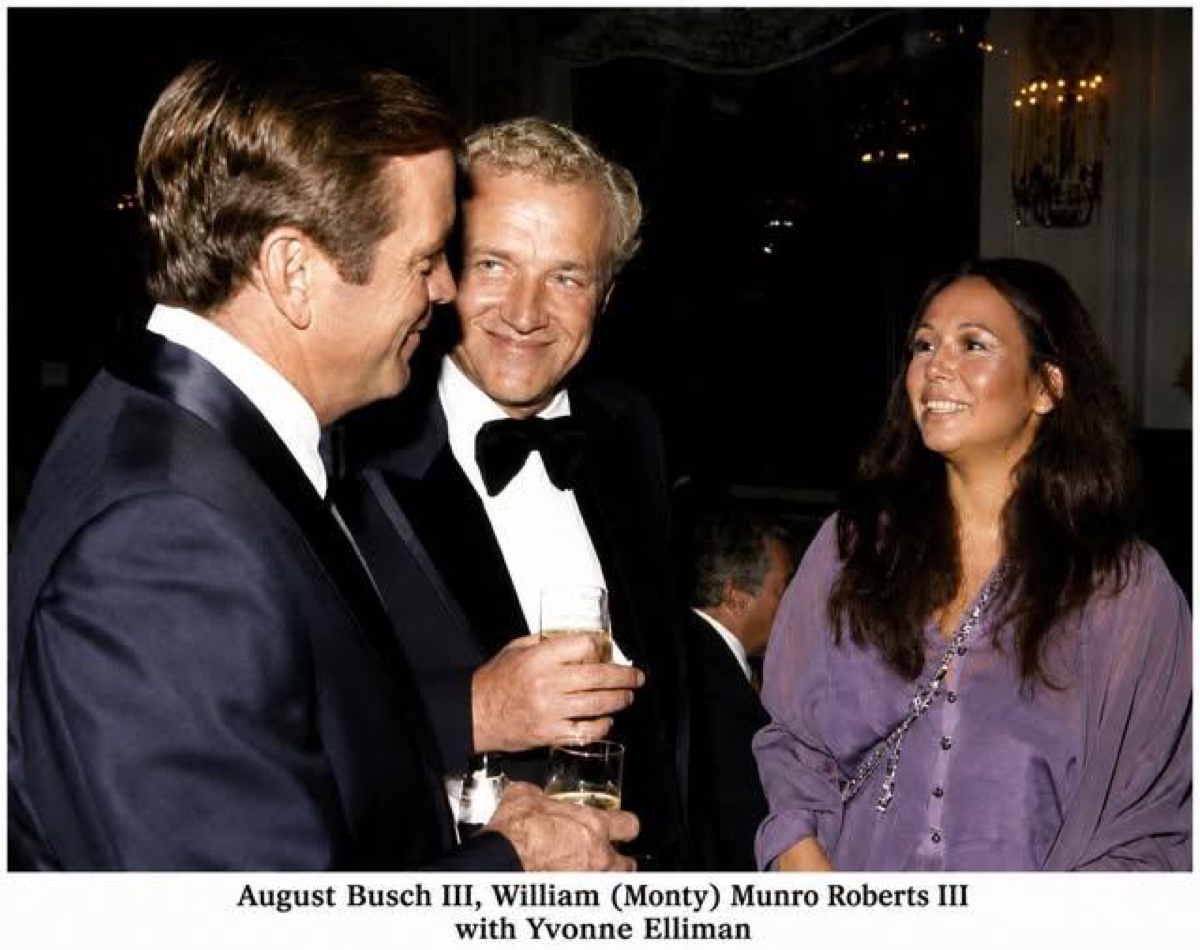
His name was William Munro Roberts III, although nearly everyone called him Monty.
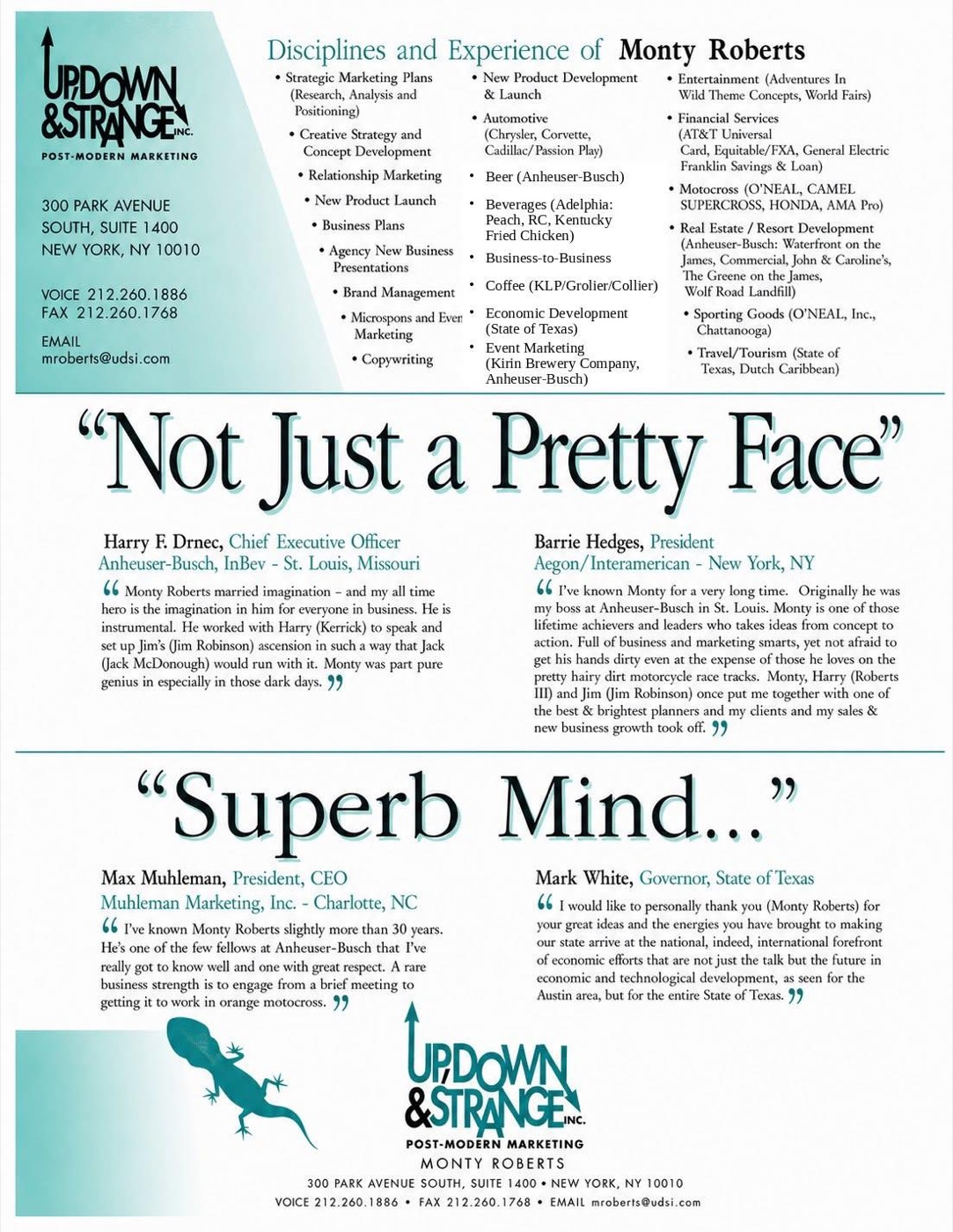
William Munro “Monty” Roberts III was a marketing, public-relations, entertainment and motorsports executive whose career included work connected with Ford, Lincoln-Mercury, Young & Rubicam, the Walt Disney account, Anheuser-Busch and the Busch beer brand. Later in life, he followed a spiritual calling and became an ordained Episcopal minister. He was not the horse trainer who shares the Monty Roberts name. They were entirely different people with unrelated careers.
The drive did not begin with my father. It was already in the family name.
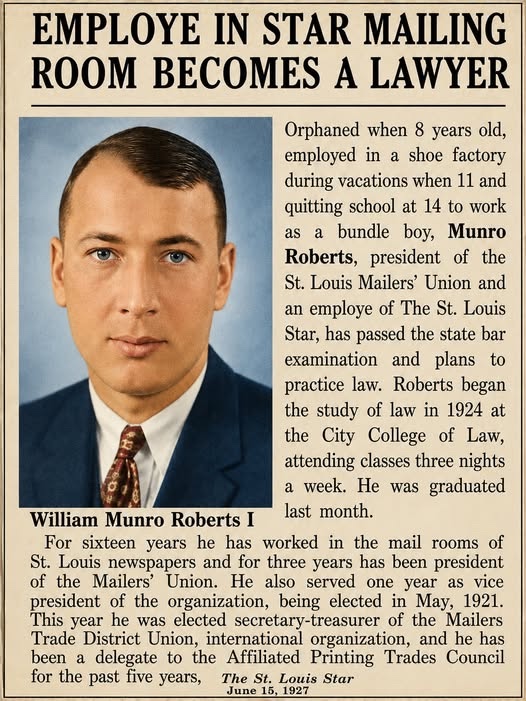
To the companies he worked for, my father was an executive trusted with nationally visible brands, major programs, influential relationships and substantial corporate resources.
To me, he was Dad.
And Dad made enormous ideas look like ordinary work.
He Did Not Think in Advertisements.
He Thought in Experiences.
My father understood that people might forget an advertisement, but they would remember an experience.
They would remember the roar of a race car.
They would remember looking up and seeing a blimp.
They would remember a theme park, a celebrity, a famous driver, a major event or a brand becoming part of the culture around them.
His world included:
- Race teams.
- Race cars.
- Professional drivers.
- Major speedways.
- Blimps.
- Hot-air balloons.
- Theme parks.
- Celebrities.
- Corporate hospitality.
- National brands.
- Large promotional budgets.
Projects with enough machinery, money and moving parts to intimidate most people before they began.
“My father did not come home talking about small campaigns. He talked about race teams, race cars, blimps, balloons, theme parks, celebrities, national brands, major events and the capital required to make all of it happen. I grew up believing that when an organization had a big enough idea, you assembled the right people, allocated the resources and built it.”
That became part of my own operating system.
When I imagined Savvis, I did not imagine a small local Internet provider. I imagined a national network.
When I imagined Intira, I did not imagine a room filled with rented servers. I imagined purpose-built data centers delivering a complete managed-computing environment.
When I imagine Platformz, I do not see another software application. I see the operating infrastructure connecting the complete business.
Large-scale thinking did not feel unnatural to me.
It felt familiar.
Ford, Lincoln-Mercury and Motorsports
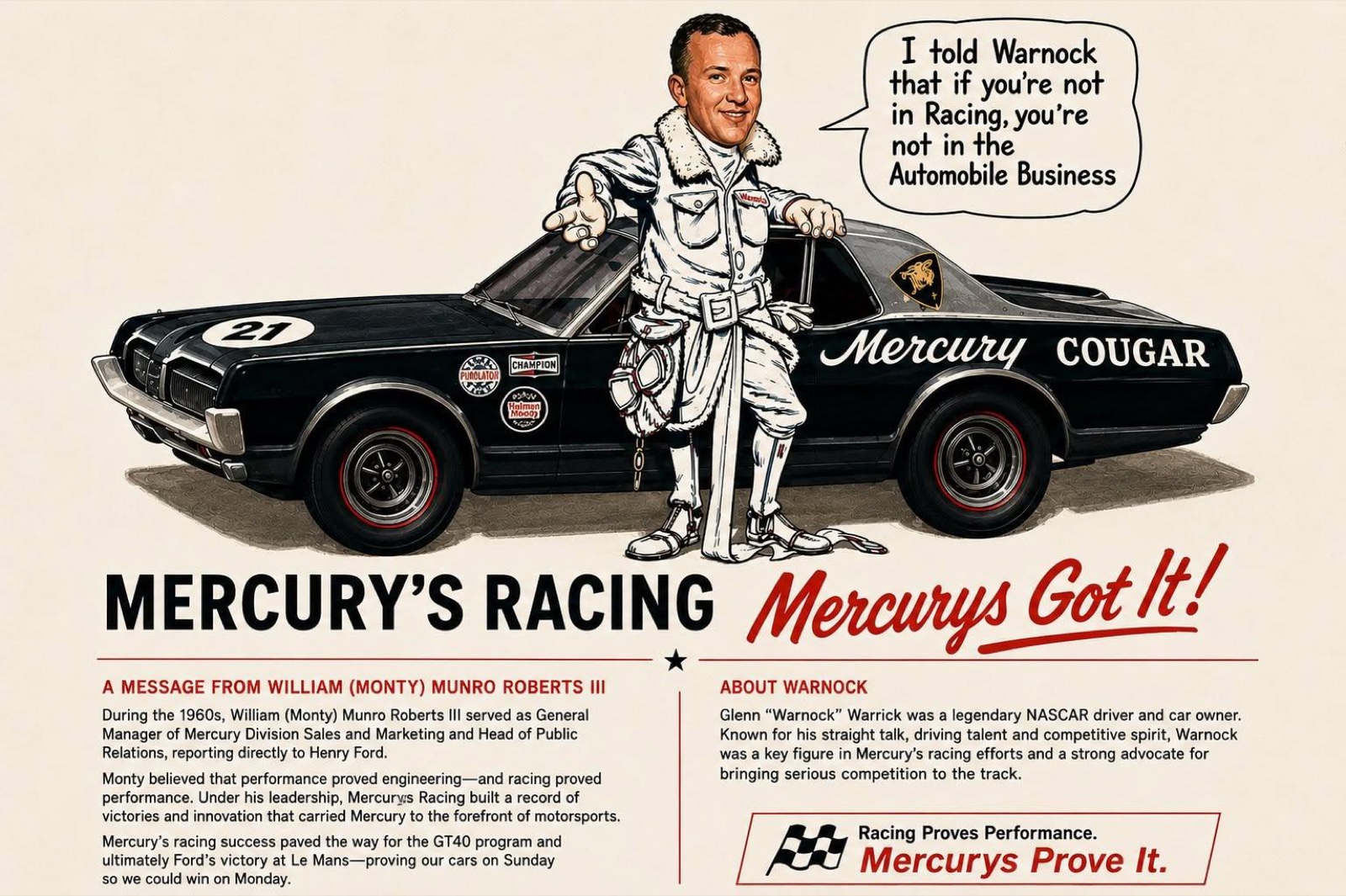
My father worked in an era when automobile manufacturers used racing to demonstrate engineering, build excitement and make brands feel alive.
Contemporary Reporting
Veteran motorsports journalist Denise McCluggage remembered him as an innovative Ford public-relations executive and an early creator of the racing press kit—folders filled with written information and photography designed to help journalists tell a driver’s and manufacturer’s story. She also described him as one of the people who helped bring Anheuser-Busch deeply into automobile racing. (Autoweek)
Published automotive history identifies him as Lincoln-Mercury’s public-relations chief and credits him with winning approval for Mercury’s 1967 Trans-Am racing program. That program involved competition director Fran Hernandez, team owner Bud Moore and drivers including Dan Gurney and Parnelli Jones. (Hemmings)
The work involved much more than placing a logo on a car.
It meant coordinating:
- Corporate executives.
- Engineers.
- Drivers.
- Team owners.
- Fabricators.
- Track operators.
- Journalists.
- Television organizations.
- Sponsors.
- Dealers.
- Hospitality teams.
- Public-relations departments.
“My father taught me that winning the race was only half the job. The other half was making sure people understood who won, why it mattered and what the result said about the brand. Technical achievement and storytelling had to work together.”
That lesson appeared repeatedly in my career.
- DiamondNet needed a stronger identity and became Savvis.
- Savvis needed a defining customer and won Apple.
- A complicated Internet-routing problem needed a number people could understand and became 4.905 seconds.
- Intira needed language for an unfamiliar managed-infrastructure service and introduced NetSourcing.
- Platformz needs to be understood not as another development agency, but as operating infrastructure for complex businesses.
A brilliant product can remain invisible when nobody knows how to explain it. A brilliant story eventually collapses when the product beneath it does not work.
Both must be real.
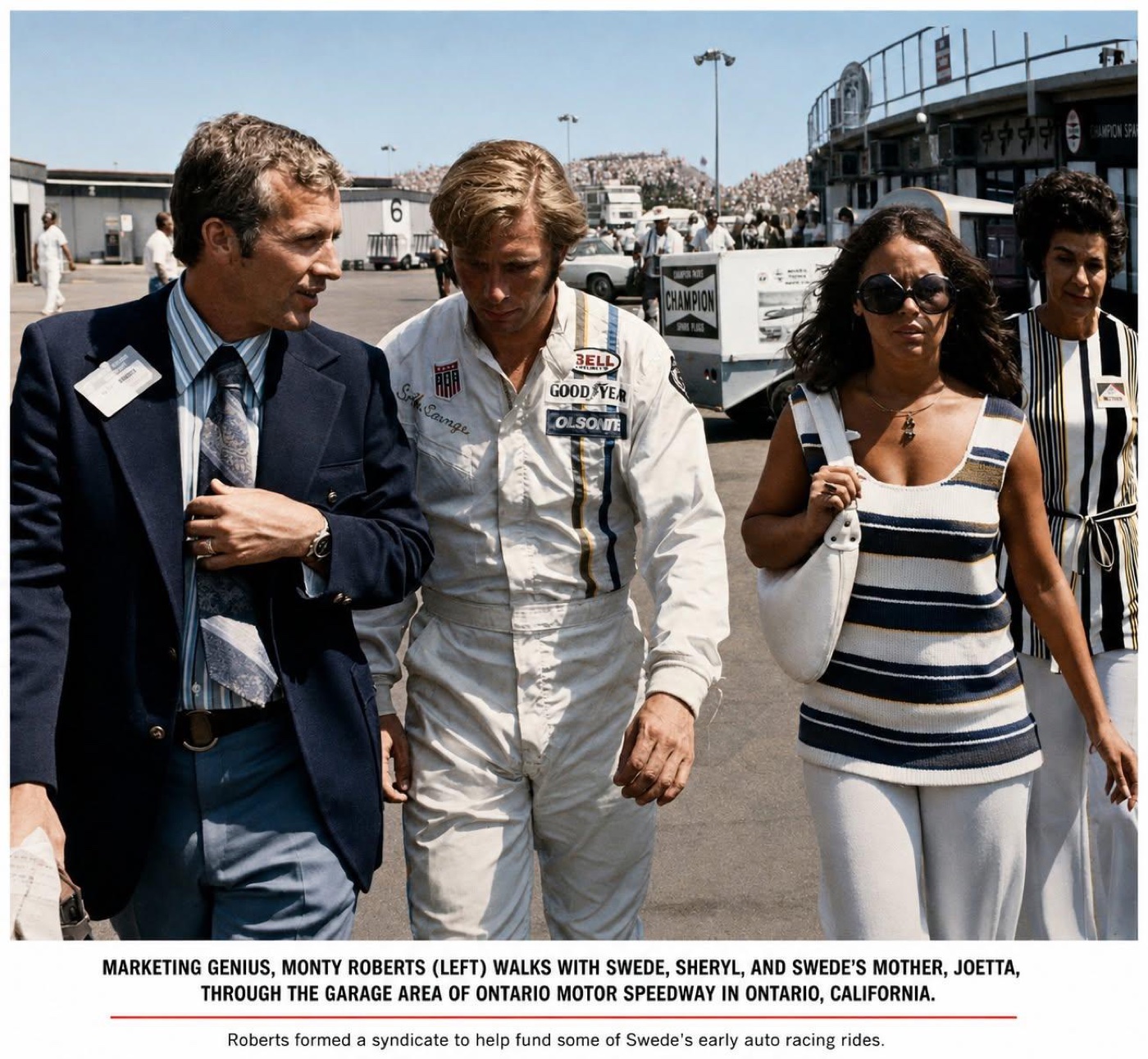
Ontario Motor Speedway
Contemporary Reporting
Public statements from my later career identified my father as an amateur racer who oversaw Ford’s racing activities, helped manage Ontario Motor Speedway and later introduced automobile racing into Anheuser-Busch relationships involving people such as Paul Newman and Mario Andretti. (Motorsport.com)
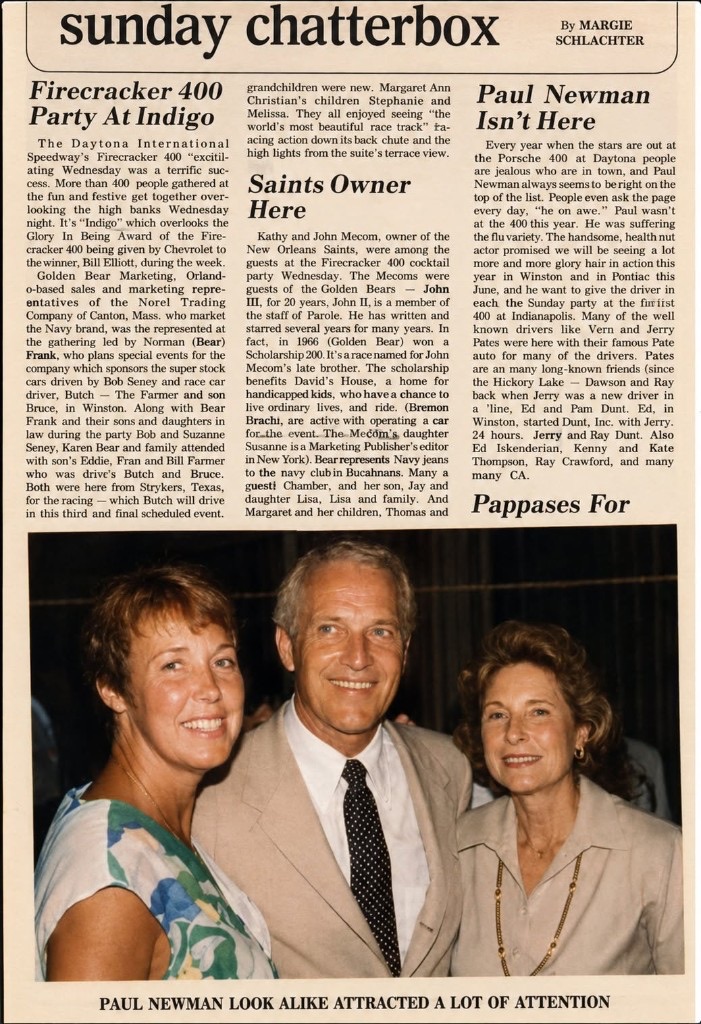
For a child, a major speedway is not an organizational chart or a capital expenditure.
It is noise. Heat. Fuel. Crowds. Famous faces.
Transporters filled with machinery. Teams moving with urgency. The vibration of engines felt through concrete.
“My childhood did not teach me that large projects were impossible. It taught me that large projects had budgets, schedules, vendors, engineers, promoters, celebrities, executives and somebody responsible for making all of it work. When your father works around race programs and major speedways, ‘big’ does not remain abstract. You can stand inside it.”
Young & Rubicam and the Walt Disney Account
Family Record
Family records identify my father as working at Young & Rubicam, where he managed work associated with the Walt Disney account.
Disney represented a different kind of scale.
It was not simply a film company, a theme-park operator or a merchandise business.
It was a connected world of stories, characters, destinations, service, design, entertainment and memory.
“Through my father, I saw that Disney was not selling one product. It was building a complete world around the customer. The story, visual identity, physical experience, employees, merchandise and memory all had to feel connected. That influenced how I later thought about technology platforms. The user should experience one coherent environment even when dozens of technologies and operating teams are working behind it.”
That idea would eventually become central to Platformz.
The customer should not have to understand every ERP, warehouse, marketplace, tax engine, payment system, data source or integration operating behind the experience.
The complexity should be coordinated behind the scenes.
The experience should feel whole.
Busch Beer and the Busch Clash
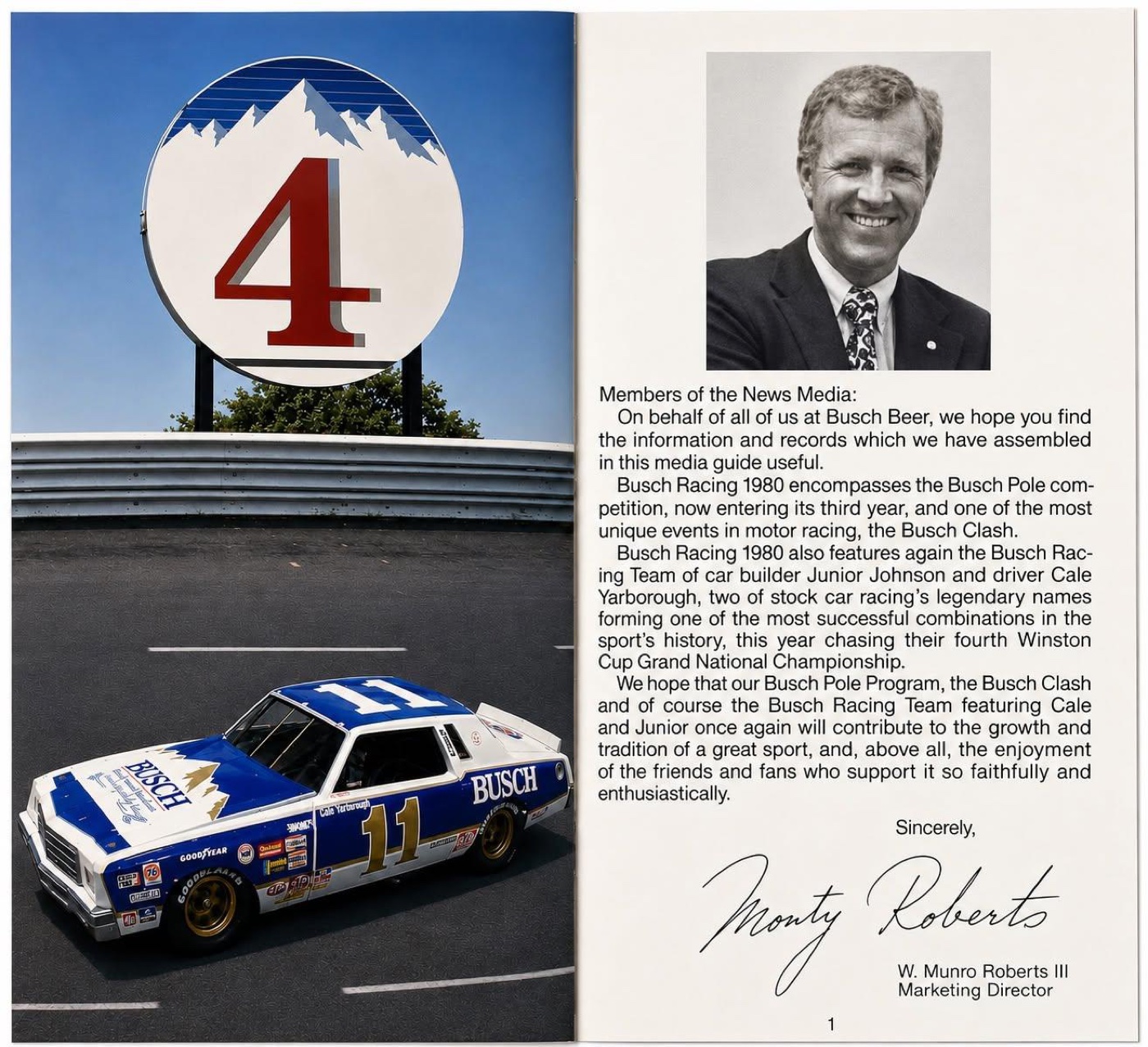
At Anheuser-Busch, my father became closely associated with the Busch beer brand and the company’s expanding presence in motorsports.
Contemporary Reporting
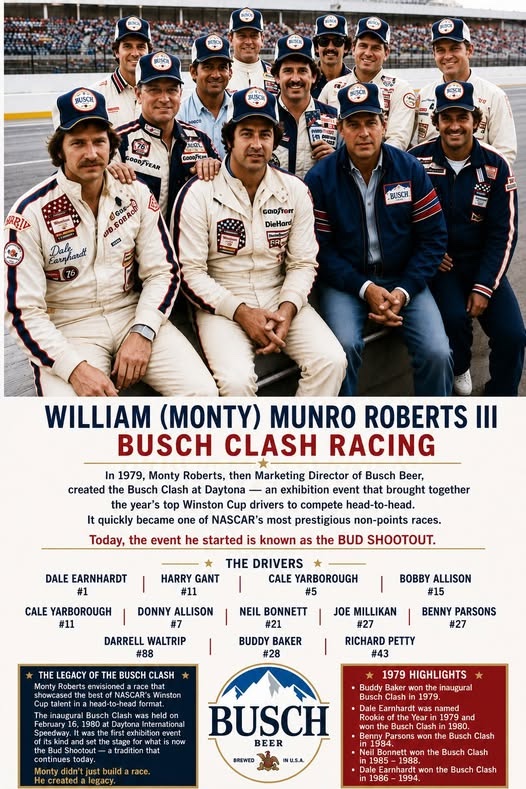
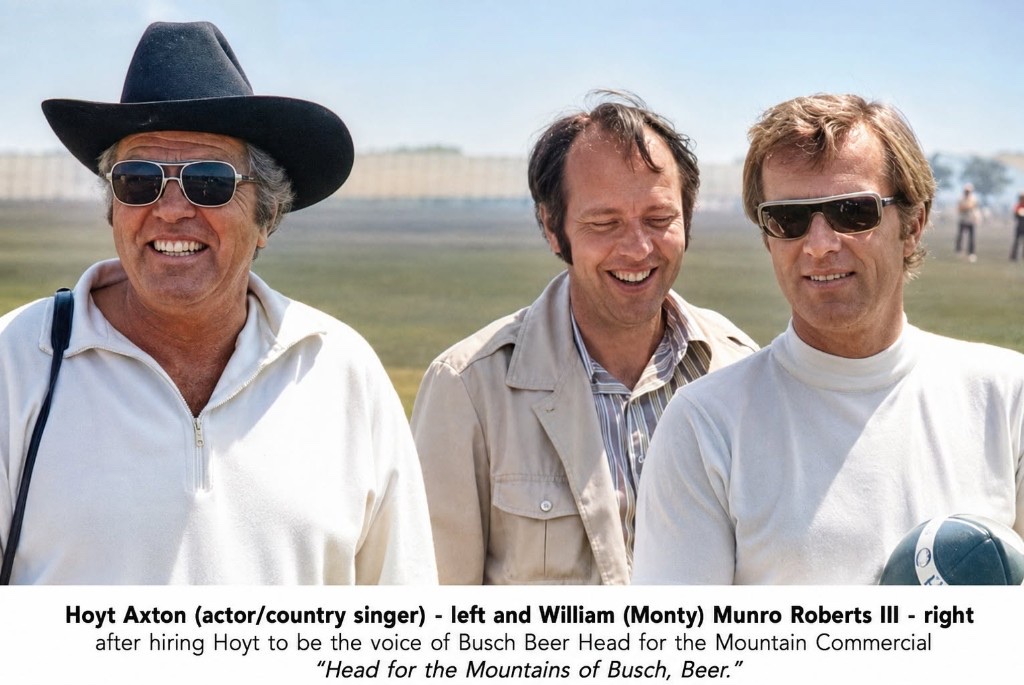
Contemporary motorsports histories credit Busch beer brand manager Monty Roberts with creating the original Busch Clash, a short invitation-only race for the previous season’s pole winners. The inaugural 1979 event ran for 50 miles and offered $50,000 to the winner, making the purse unusually large on a per-mile basis. (Belly Up Sports)
The idea was elegant:
- Take the fastest qualifiers in the sport.
- Put them in a short race.
- Remove the need for a complicated explanation.
- Place the Busch brand at the center of the excitement.
“My father understood that the biggest ideas often require the clearest explanation. People did not need a fifty-page strategy document to understand the Busch Clash. Put the fastest drivers together and let them race.”
That principle stayed with me.
Savvis
The Internet should perform better because traffic should avoid unnecessary bottlenecks and handoffs.
Intira
The customer should bring the application while we operate everything beneath it.
Platformz
All the systems required to run a business should operate as one connected environment.
Growing Up Around Celebrities and Powerful People
My childhood included time around racetracks, race cars, professional drivers, actors, team owners, executives, wealthy families and major corporate programs.
People I might otherwise have seen only on television appeared in the working world around my father.
That changed my perception of status.
Famous people remained impressive, but they did not feel unreachable.
Wealthy families remained influential, but they were still families.
Corporate leaders still had to evaluate ideas, make decisions and decide whom to trust.
“I grew up watching my father work with people most children knew only from television. I watched him negotiate with them, challenge them, entertain them and build projects with them. That removed a fear barrier from me very early.”
It mattered later when I called Steve Jobs.
It mattered when I approached Andrew Gladney.
It mattered when I sat across from venture capitalists and asked them to finance a national network.
It mattered when I asked major technology companies to support a service category that did not yet have an accepted name.
My father’s Rolodex created some introductions.
His example created something more valuable:
The confidence to make the approach.
“A relationship can arrange the meeting. It cannot make the meeting successful. You still need an idea worth hearing, the courage to explain it and the ability to deliver.”
The Visionary Gene
I believe I inherited my father’s tendency to see what something could become before other people could see it.
He looked beyond an advertisement toward the complete experience surrounding a brand.
I later looked beyond an Internet connection toward the complete network supporting an application.
Then beyond the network toward the complete data-center and computing environment.
Then toward digital games, media, commerce, marketplaces, payments and eventually Platformz.
“My father taught me that the first version of an idea should not define its ultimate scale. A beer promotion could become a national racing program. A sponsorship could become a permanent event. A local Internet provider could become a national backbone. A managed-hosting business could become an early cloud platform. Once you grow up watching large ideas become physical reality, it becomes difficult to think small.”
From Corporate Executive to Episcopal Ministry
Family Record
Later in life, my father followed a spiritual calling.
He became an ordained Episcopal minister and, according to our family records, served or led three churches in New York.
At first, those careers can appear completely different.
The more I think about them, the more continuity I see.
In the corporate world, he communicated a vision, managed resources, brought people together and created experiences around a shared purpose.
In ministry, he communicated faith, managed resources, brought people together and created community around a shared purpose.
“My father taught me to think at scale. His ministry reminded me that scale without purpose is empty. It is not enough to ask whether something can become large. You also have to ask who it serves, what it improves and what remains after the attention disappears.”
What My Father Gave Me
My father gave me access to an extraordinary childhood.
But his greatest influence was not celebrity, race cars, wealth, theme parks or corporate entertainment.
It was scale.
Confidence.
Imagination.
Purpose.
He taught me that large ideas are built from practical components:
- A clear vision.
- The right people.
- Capital.
- Technical expertise.
- Storytelling.
- Persistence.
- Stewardship.
- Accountability.
- The confidence to begin.
“Before I built technology companies, I watched my father build experiences. Before I raised institutional capital, I watched him manage major corporate resources. Before I approached famous founders and wealthy families, I watched him treat powerful people like people. Before I learned to think big, big thinking was simply the atmosphere in which I grew up.”
The cloud was not invented in a moment. It was built layer by layer.
Platformz brings those layers together.